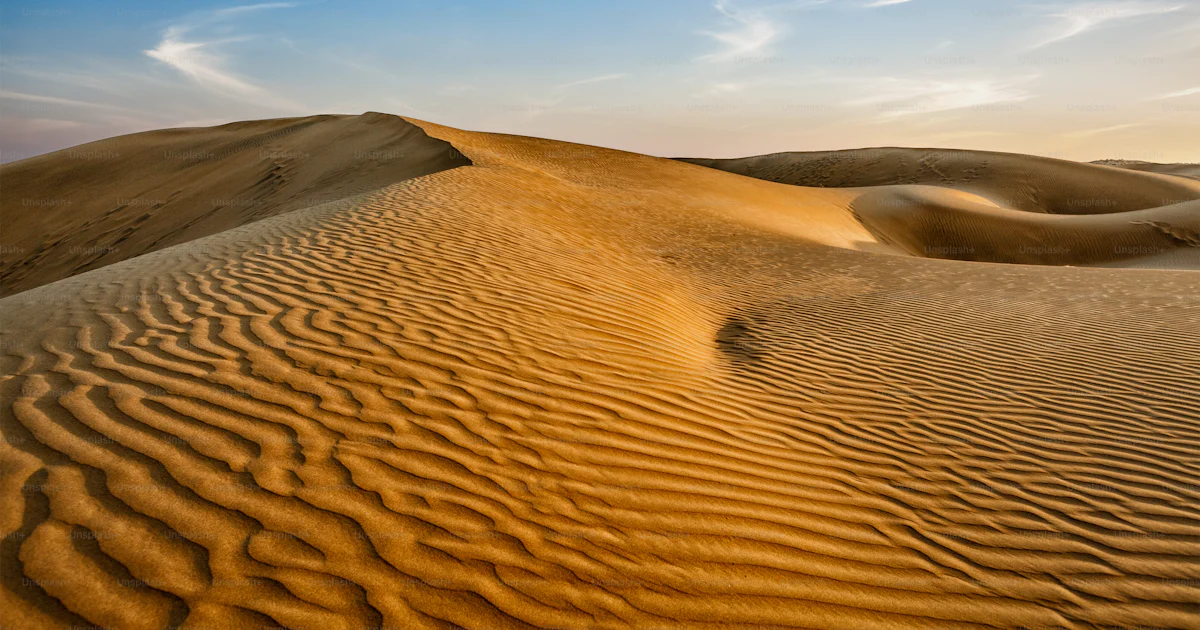
Sam Sand Dunes Ridge
Sunrise and sunset
Position your camera at the crest of the highest dune to capture the sweeping ripples of sand against the horizon.

Galleries of the Thar Desert promise a clean horizon and a camel in silhouette. The reality near Sam Sand Dunes is busier, smaller and more textured than most frames suggest. This desert safari Jaisalmer photos guide explains what the pictures show, what they leave out, and how to plan around both.
Quick answer
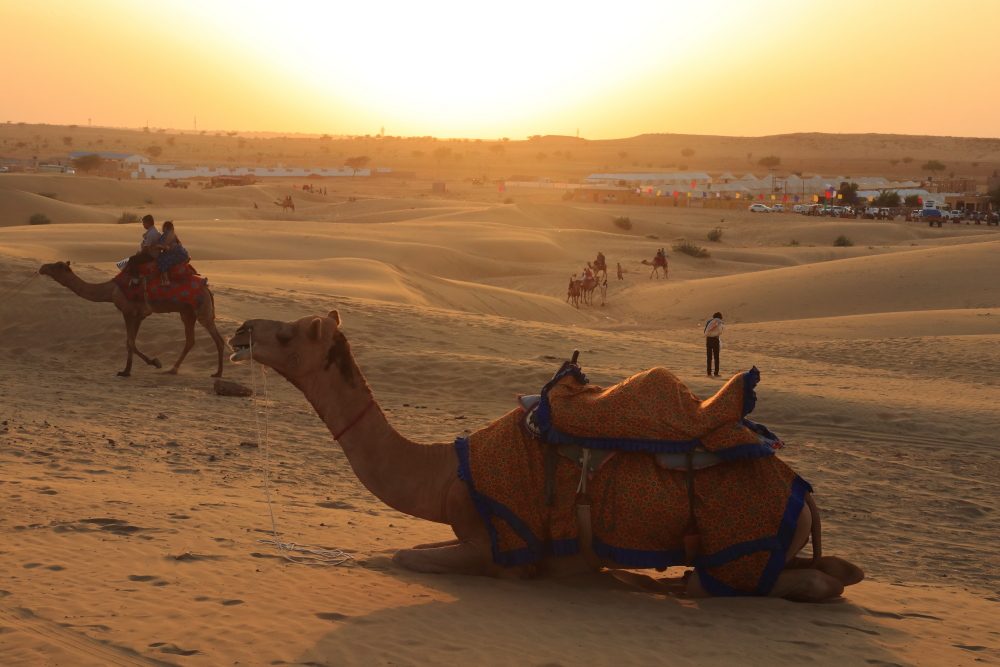
Most desert safari Jaisalmer photos come from the dune belt near Sam Sand Dunes, and the recommended arrival window is 05:00–18:00 for softer light and cooler air. Access itself is unrestricted: 00:00–23:59, every day. Foreign visitors pay a 300 INR conservation fee per person. The caveat is wind, which can erase ridge lines within minutes.
The Thar Desert is the most densely populated desert on earth, carrying roughly 83 people per square kilometre. That single statistic explains most of what viewers notice in desert safari Jaisalmer photos: goat herds crossing a ridge, a cement water tank behind the dunes, children walking home from a village school. This is a working landscape, not an empty sand sea. The dune fields near Sam Sand Dunes and the quieter crests at Khuri sit inside a lived-in district of Rajasthan, and the imagery reflects that honestly. Scale is the second thing galleries distort. The photogenic ridge line at Sam covers a modest stretch of sand, bordered by scrub, kerbside parking and the Kanoi road; wide lenses crop all of it out. Camel caravans are arranged, not stumbled upon, and the silhouetted line of animals against an orange sky is a composition the handlers know by heart. Kalbeliya dancers, turbaned drivers and jeep tracks appear with similar regularity. None of that makes the frames dishonest. It does mean a Jaisalmer desert tour photography set shows a curated version of an afternoon, and travellers who arrive expecting Saharan emptiness often leave with something more interesting: dunes read against the yellow sandstone of Sonar Qila, the fort that still houses several thousand residents. Used carefully, a photo set is planning evidence. Count the number of camps in the background to gauge how busy a ridge gets in autumn. Note whether shadows fall long or hard, which indicates the hour the frame was taken. Look for wind texture on the sand; a ripple pattern means a recent gust, and gusts reshape crests in minutes. Locals still call the landscape Thar ka registan, and its surface is never the same twice. That is the practical value of desert safari Jaisalmer photos: they set expectations before a booking is confirmed, and they narrow the choice between a short dune transfer, an overnight camp or a longer route toward Thar Desert National Park. The sections below carry the figures — the daily access pattern, the conservation fee, the route out from Jaisalmer and the hours when light rewards a camera. Read them, then compare against the galleries and the Rajasthan landmarks nearby, including Gadisar Lake.
“The dunes near Sam are a working landscape, not an empty sand sea, and the photographs are more interesting for it.”
Sunrise and sunset
Position your camera at the crest of the highest dune to capture the sweeping ripples of sand against the horizon.
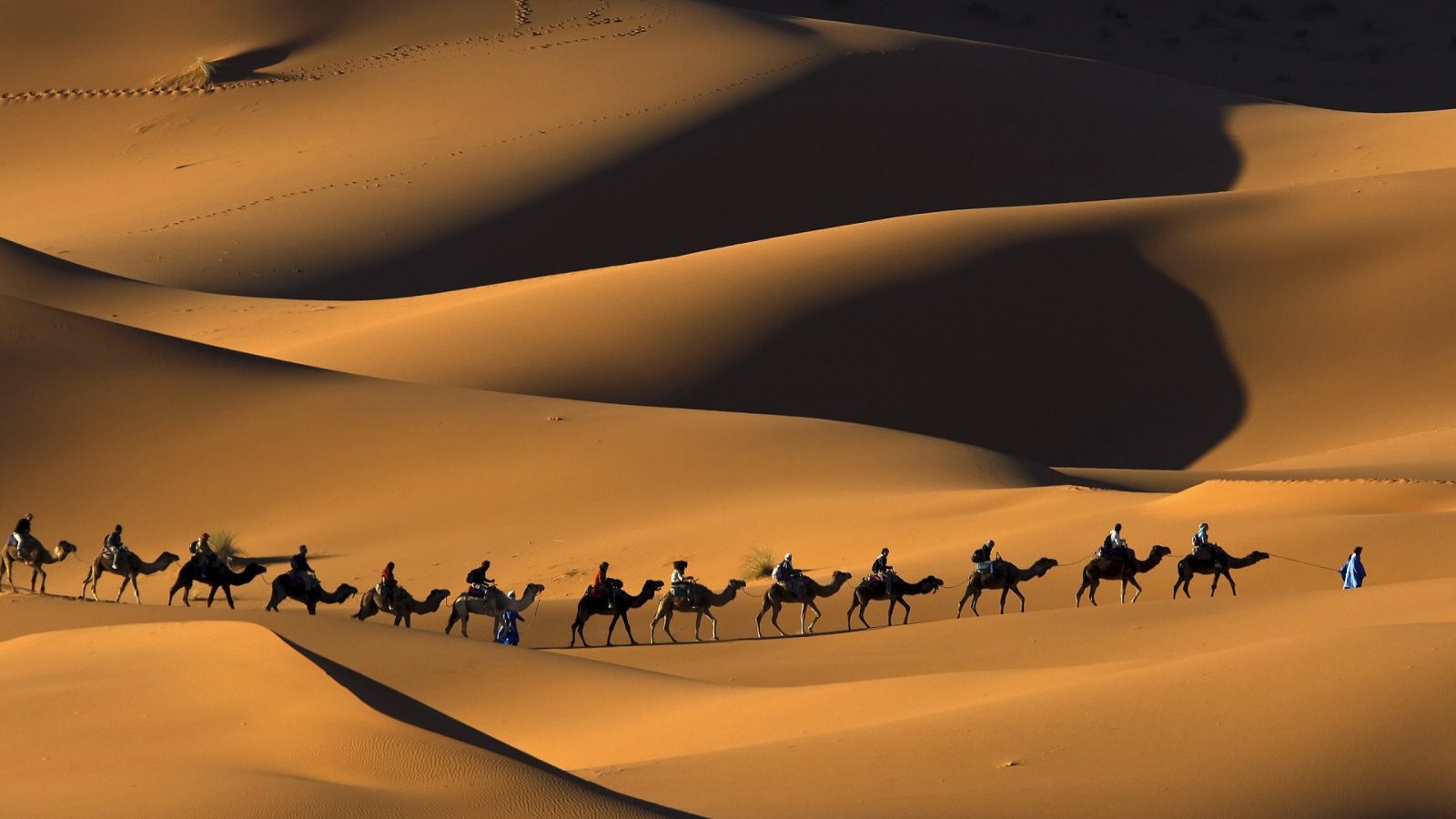
Early morning or late afternoon
Frame the line of camels moving across the dunes from a low angle to emphasize the texture of the sand in the foreground.
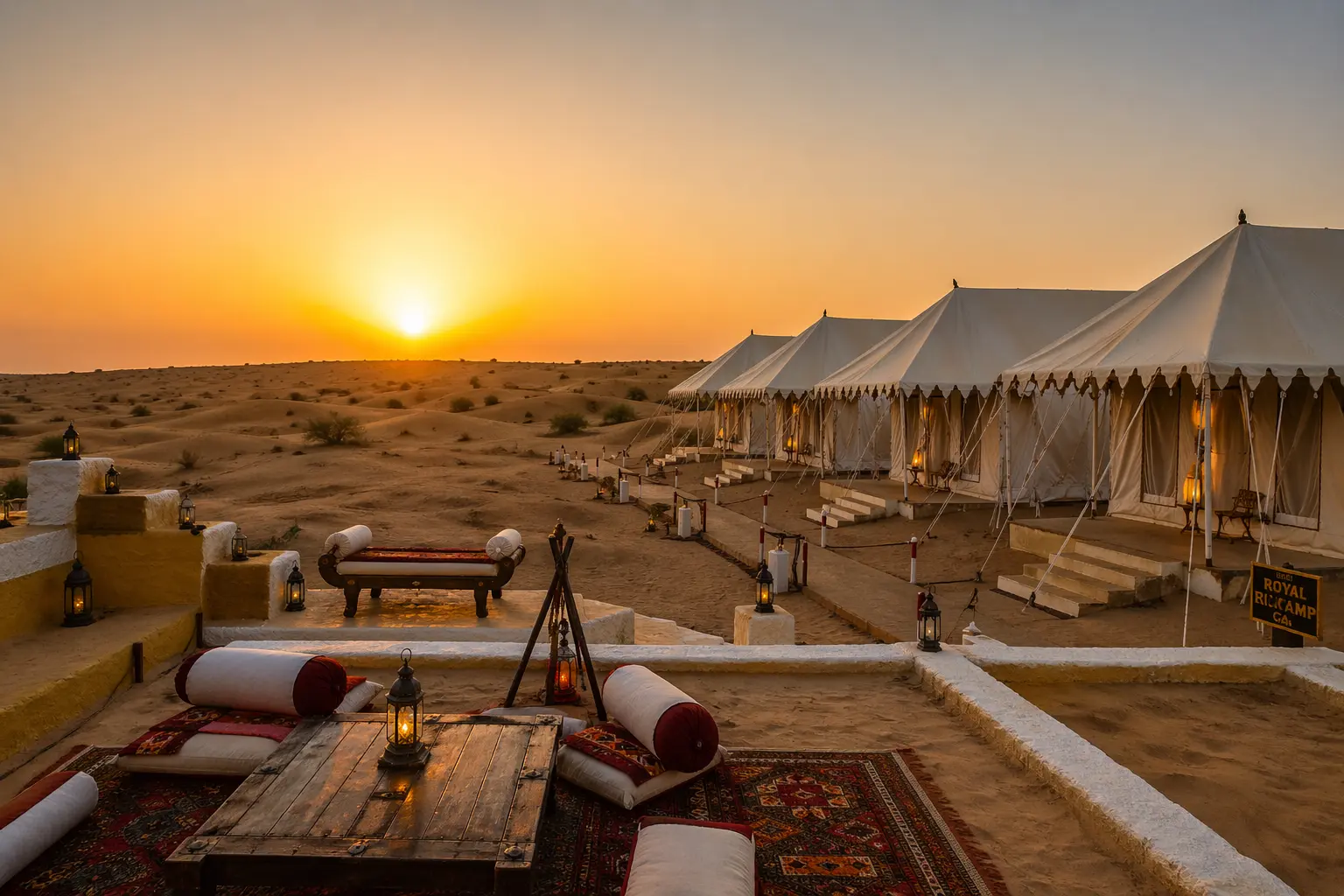
Sunrise and sunset
Use the contrast of traditional tent structures against the vast, empty backdrop of the desert floor during the golden hour.
Sunrise and sunset
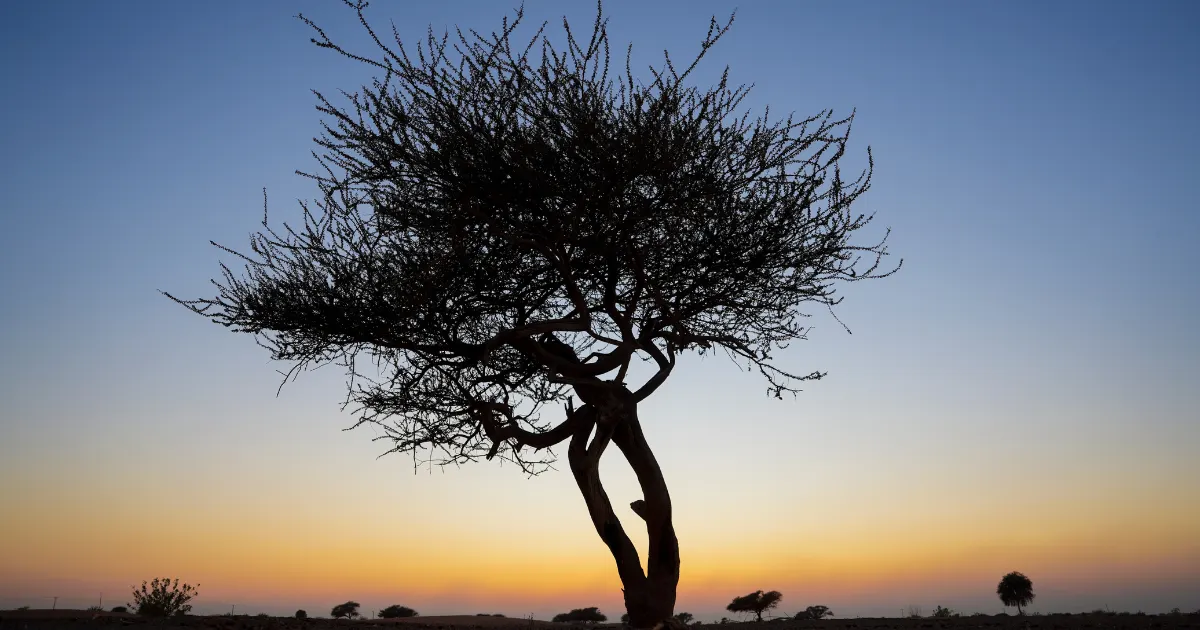
Focus on the silhouette of a lone Ghaf tree against the changing colors of the sky to provide a sense of scale.
The photography sites in the Thar Desert are located near Sam Sand Dunes, Jaisalmer, Rajasthan, India. Visitors typically travel from central Jaisalmer via private or hired transport to reach these remote areas.
Direct hire from Jaisalmer city via Sam Road
Private rental driving west on Sam Road
Local transit from Jaisalmer bus stand to Sam village
Arrange for a private vehicle in advance to ensure reliable transport to specific dune locations. Plan your arrival within the best arrival window of 05:00–18:00 to optimize for golden hour light.
The Thar Desert remains accessible at all hours, providing photographers the flexibility to plan sessions according to their preferred lighting conditions. Visitors can enter the area throughout the day and night.
Mastering desert photography requires technical precision to protect your equipment and balance the harsh light of the Thar landscape.
Use a dedicated weather-sealed bag and avoid changing lenses in the open to prevent fine sand particles from entering your sensor. Keep a blower brush in your kit to clear grit from crevices immediately after your session.
Shoot in RAW format to retain shadow and highlight detail which is often lost in high-contrast desert sun. Utilize a circular polarizer to reduce glare on sand surfaces and deepen the sky contrast.
A wide-angle lens is effective for capturing the vast scale of the dunes, while a telephoto lens helps compress the landscape to emphasize repeating patterns and textures. Using a focal length of 70mm or higher isolates subjects like camels against the horizon.
Dig your tripod legs deep into the sand to create a stable base for long exposures. Place a flat stone or a dedicated ground plate under each foot to prevent the tripod from sinking during use.
Expose for the highlights to prevent blown-out sand textures, as shadows are easier to recover in post-processing. Use a small aperture like f/11 or f/16 to ensure maximum depth of field for expansive landscape compositions.
Everything you need to know about desert safari jaisalmer photos
The optimal arrival window for capturing desert safari Jaisalmer photos is between 05:00 and 18:00. This period provides golden hour lighting for both sunrise and sunset while avoiding extreme midday heat.
Visitors are required to pay a 300 INR conservation fee for foreign access. Please ensure you have this amount ready upon entry to the area near Sam Sand Dunes.
Yes, the vast landscape of the Thar Desert offers endless opportunities for high-quality desert safari Jaisalmer photos. Wide-angle lenses are recommended to capture the expansive horizon and undulating sand dunes.
The area remains open to visitors from 00:00 to 23:59 every day of the week. This allows flexibility for those planning early morning or late evening photography sessions.
To get clear camel safari in Jaisalmer images, focus on silhouette shots against the setting sun. Adjust your camera settings to account for the bright sand, which can often cause underexposure in landscape photography.
The desert is accessible for families, though it is important to keep the 05:00–18:00 optimal light window in mind for younger travelers. Ensure you carry sufficient water and sun protection when planning your desert safari Jaisalmer photos.
While you do not need a guide to enter the public dunes, booking a professional Thar Desert excursion can provide transport and local insights for your photography. Check the site booking options to see available arrangements for your visit.
When preparing for desert safari Jaisalmer photos, pack extra camera batteries and memory cards, as dust can be an issue. A protective bag is also essential to keep your equipment safe from fine sand particles during your stay in Rajasthan.